

.png)
China Pushes 50% Domestic Chip Equipment in New Fab Capacity
Published: 1.6.2026
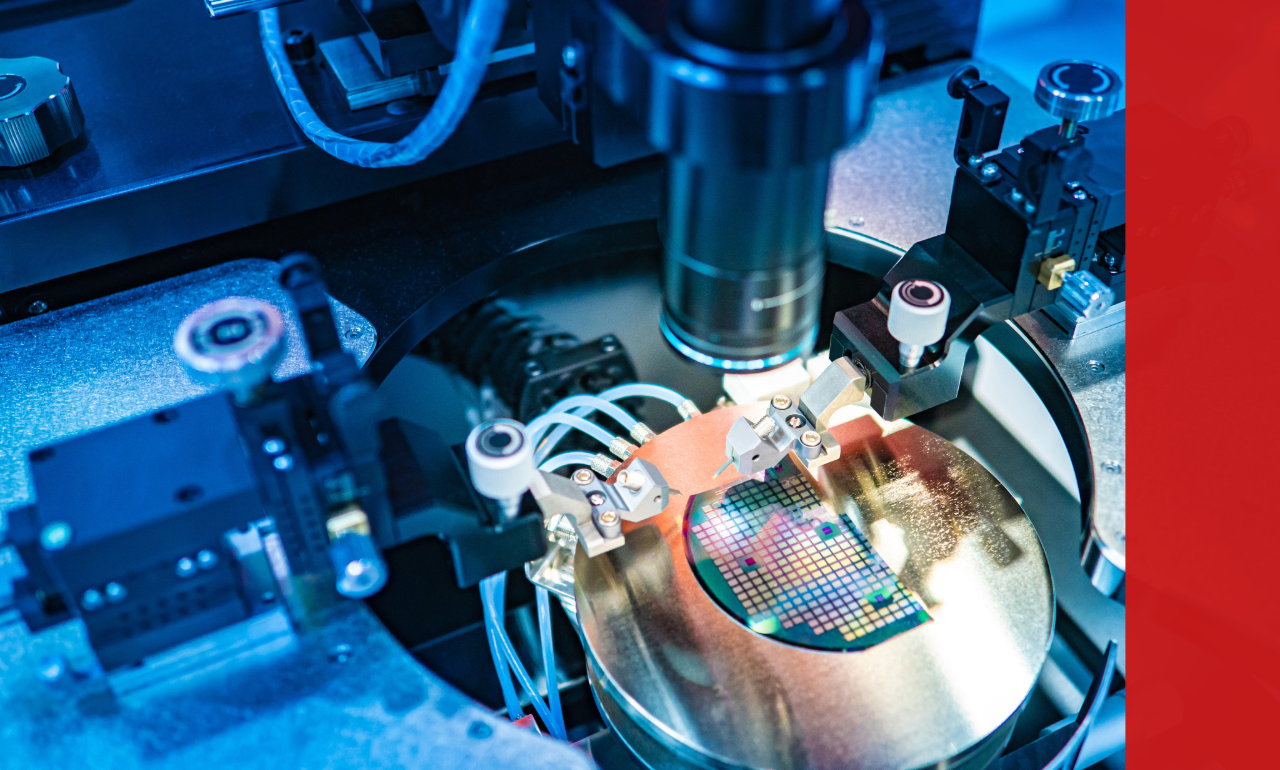
China is tightening the rules around how chipmakers source semiconductor manufacturing equipment when they add new capacity. According to a Reuters report dated December 30, 2025, authorities are requiring chipmakers to use at least 50% domestically made equipment for any new semiconductor manufacturing capacity, as part of a broader push to build a self-sufficient chip supply chain.
The policy is significant because it goes beyond U.S. export restrictions that limit access to specific advanced tools. Reuters reports the new approach can steer Chinese fabs toward domestic suppliers even when foreign equipment remains available, potentially reshaping procurement decisions across a wide range of tool categories.
What the “50% domestic equipment” requirement means
It is reported that the rule is not publicly documented, but is being applied through the state approval process for fab construction and expansion. Chipmakers seeking approval have been told they must demonstrate that at least half of the equipment for the added capacity will be Chinese-made.
If projects do not meet the threshold, applications are typically rejected. However, authorities may grant flexibility depending on supply constraints, and requirements are relaxed for advanced production lines where domestically developed tools are not yet fully available.
This links the mandate to China’s accelerating drive for chip self-sufficiency after the U.S. tightened technology export restrictions in 2023, including restrictions affecting semiconductor equipment and advanced AI chips.
President Xi Jinping has called for a “whole nation” effort to build a domestic semiconductor supply chain, and points to ongoing work across the supply chain to reduce reliance on foreign technology. Funding is part of the backdrop as well, China’s state-backed “Big Fund” established a third phase in 2024 with 344 billion yuan in capital to support the local chip supply chain.
Early signals: where domestic suppliers may gain ground fastest
The mandate is already influencing tool adoption and supplier development, especially in areas where domestic alternatives are improving quickly.
- Etch tools: China’s largest chip equipment group, Naura, is testing its etching tools on a 7nm production line at SMIC, following reported success deploying etch tools on 14nm.
- Replacement and servicing gaps: Naura developed electrostatic chucks to replace worn parts in equipment that Lam Research could no longer service after the 2023 restrictions, illustrating how restrictions can create demand for local substitutes beyond brand-new tool purchases.
- Procurement activity in lithography parts/tools: Reuters cites publicly available procurement data indicating state-affiliated entities placed 421 orders for domestic lithography machines and parts worth around 850 million yuan in 2025, signaling rising demand for locally developed options—while also highlighting that advanced lines may still require flexibility.
China’s reported 50% domestic-equipment requirement is another sign that semiconductor supply chains are becoming more regional. Equipment, parts, and process capability decisions are increasingly shaped by policy as much as by pure technical merit.
IBS Electronics will continue tracking updates that may affect lead times, alternates, and sourcing risk across semiconductor manufacturing programs. Stay aheadand check our latest market insights on our news page here.


