

.png)
Global Chipmakers Thrive on AI Demand but Tariffs Threatens the Momentum
Published: 7.24.2025
The semiconductor industry is riding a huge wave of growth due to the growing global demand for AI. Companies linked to Nvidia are booming, memory chipmakers in South Korea are seeing strong profits, and Japan is quickly stepping into advanced chipmaking.
But while things may look great on the surface, new U.S. tariffs and sudden shifts in Asia could soon create challenges for the market.
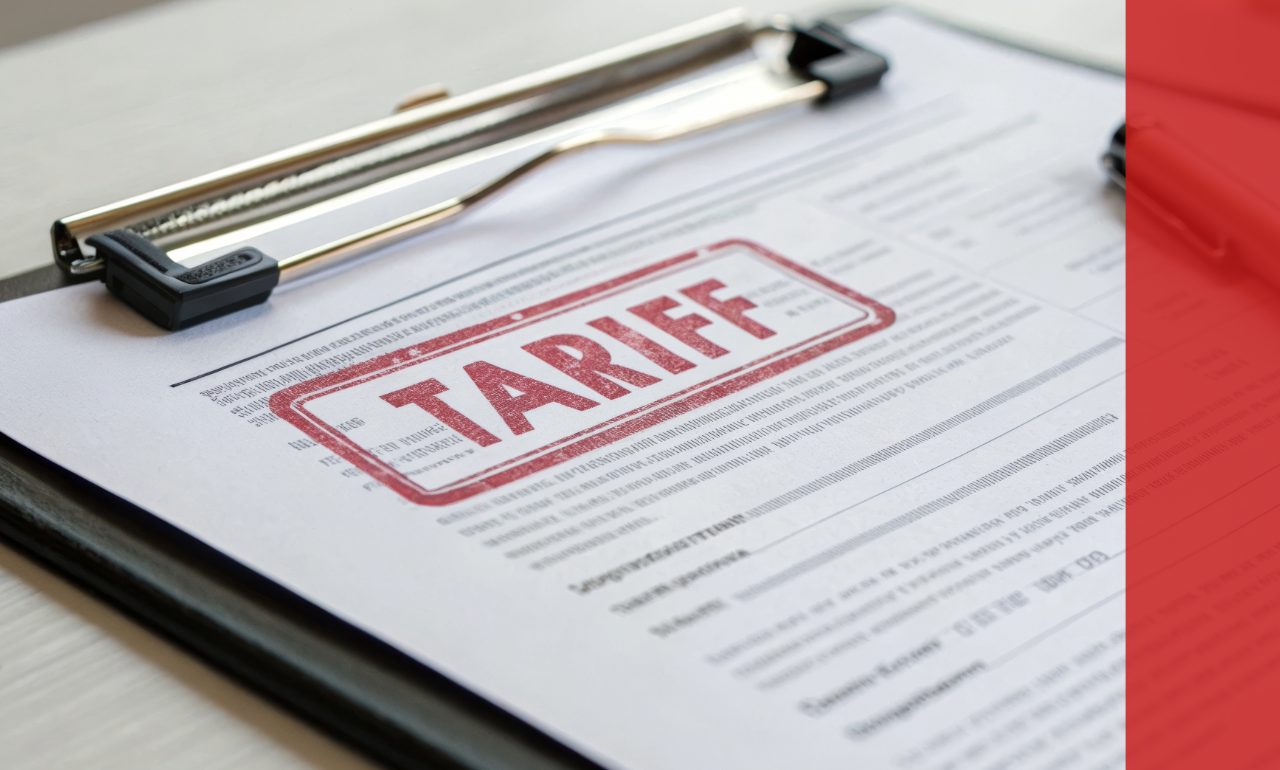
AI Demand Is Soaring—but Tariffs Are a Warning Sign
AI is fueling a massive surge in chip demand. Companies like Nvidia—and its ecosystem of suppliers—are racing to meet demand for the advanced memory, copper materials, and high-speed components needed to power AI workloads.
However, new U.S. tariffs on copper, legacy chips, and semiconductor equipment are casting a shadow over this growth. While major players continue to thrive, smaller firms in the supply chain are beginning to feel the pressure.
Rising material costs and extended lead times are becoming a concern, with some insiders warning of potential project delays and budget overruns.
However, the U.S. has recently introduced new tariffs on key components, including copper, older generation chips, and manufacturing equipment. These tariffs are raising costs and starting to slow down shipments, especially for smaller companies in the AI supply chain.
Experts warn that many investors are ignoring these risks. One supply chain manager said, “We’re already seeing parts go up in price and lead times stretch. If this continues, projects could get delayed and more expensive.”
South Korea Rides the AI Wave—But for How Long?
Samsung and SK Hynix, South Korea’s leading memory chipmakers, have positioned themselves at the heart of the AI boom by stockpiling high-bandwidth memory (HBM) chips essential for next-gen systems. SK Hynix recently surpassed Samsung to become the world’s top DRAM supplier, posting a 158% jump in Q1 operating profit. Samsung, meanwhile, continues to benefit from strong AI-driven demand, though its Q2 operating profit fell 56%, weighed down by U.S. export controls limiting AI chip sales to China.
But the gains from this AI momentum may be at risk.
Both companies still depend on chip packaging and testing facilities in China—a strategy that was once cost-effective but is now facing growing scrutiny. The U.S. government is reportedly preparing to revoke export waivers that allow Samsung and SK Hynix to operate U.S.-equipped fabs in China without special licenses. If these waivers are withdrawn, the process for securing equipment access would shift from automatic approvals to case-by-case reviews, introducing regulatory uncertainty and the threat of production delays.
This policy shift puts South Korea in a tight spot. While its memory giants are critical to the global AI supply chain, their operational footprint in China leaves them exposed to the volatility of U.S.–China trade policy.
Any disruption—whether from export licensing delays, tool restrictions, or logistics complications—could jeopardize their ability to meet surging AI demand at a pivotal time. The core objective behind Washington’s move is to curb China’s access to advanced semiconductor technologies that could be repurposed for military or surveillance use.
Japan’s Rapidus Makes a Bold Move in 2nm Chips
Japan’s government-backed chip company, Rapidus, is now preparing to start 2-nanometer (2nm) chip production as early as late July. This is a big step for Japan, which hasn’t been a leader in cutting-edge chipmaking for years.
Backed by major funding and partners like IBM, Rapidus isn’t trying to compete with Taiwan’s TSMC yet—but it is focused on building secure, homegrown chips for use in defense and high-tech industries.
If successful, this could help Japan reduce its reliance on foreign chipmakers—and attract more attention from global tech companies looking to diversify.
The future of chips and AI looks promising—but it won’t be smooth sailing. With new tariffs, trade tensions, and shifts in Asia’s chip strategies, the next few months will be critical. Companies that adapt early—by securing suppliers, reducing risk, and watching global policy—will be the ones who stay ahead.


