

.png)
Micron Expands U.S. DRAM Production as AI Demand Tightens DDR4 and LPDDR4 Supply
Published: 6.1.2026
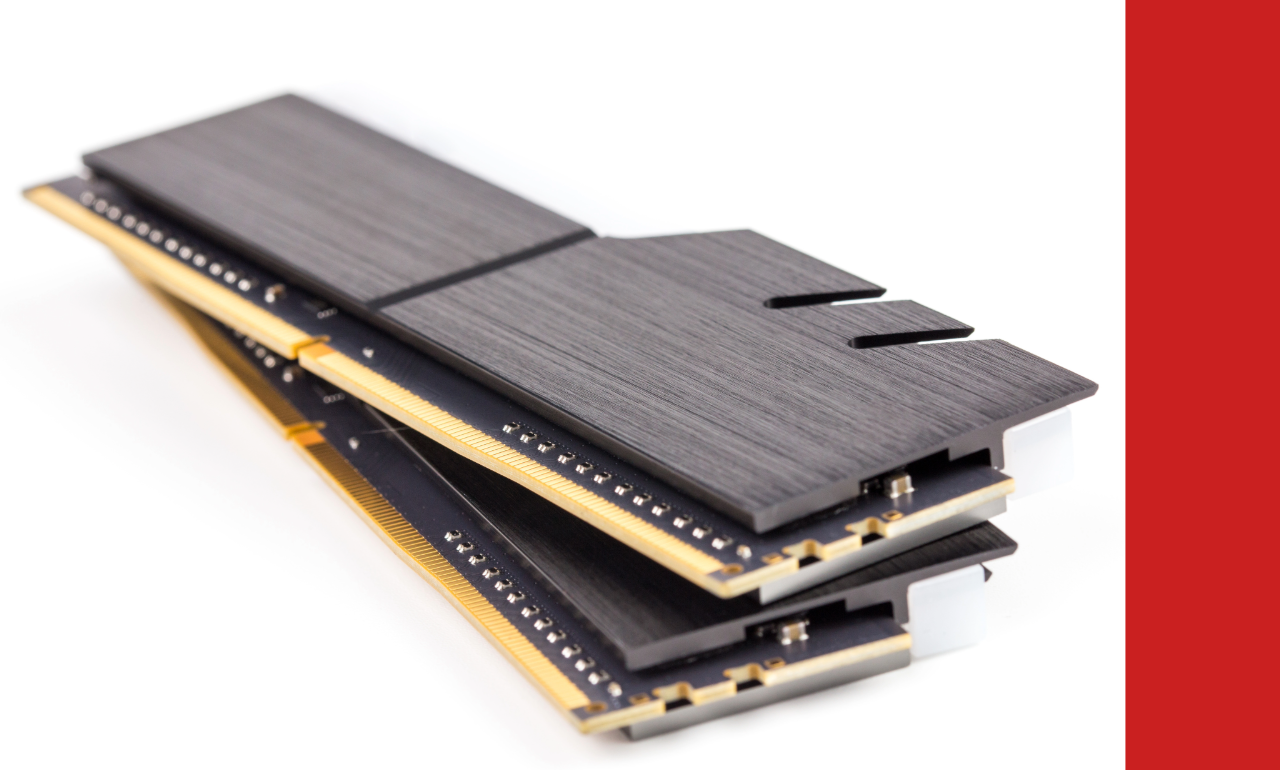
Micron Technology has started manufacturing 1α DRAM at its Manassas, Virginia fab supporting long-lifecycle DDR4 and LPDDR4 memory products used across automotive electronics, industrial equipment, networking systems, medical devices, and defense and aerospace hardware.
While much of the memory industry is shifting toward DDR5, LPDDR5X, and high-bandwidth memory, or HBM, many critical industries continue to depend on DDR4 and LPDDR4 because of long product lifecycles, qualification requirements, and design stability.
According to Micron, its 1α DRAM node will quadruple the company’s DDR4 wafer supply in Manassas and reinforce a secure domestic source of long-lifecycle DDR4 and LPDDR4 memory.
Why DDR4 and LPDDR4 Still Matter
DDR4 and LPDDR4 are widely used in applications where performance, reliability, availability, and long-term support matter more than rapid migration to the newest memory generation. These products are commonly found in automotive control systems, infotainment platforms, industrial automation equipment, networking infrastructure, medical devices, embedded systems, and aerospace and defense hardware.
Unlike consumer electronics, many of these markets do not switch to newer memory standards quickly. Automotive and aerospace platforms, for example, often require extended validation and strict qualification before a component can be approved for use. Industrial and medical systems may also remain in production for many years, making component availability a major factor in product lifecycle planning.
Even as the wider market shifts toward advanced memory for AI servers and high-performance computing, long-lifecycle industries still need stable access to mature memory technologies. When suppliers reduce support for older nodes, buyers can face longer lead times, tighter allocation, higher prices, and limited approved alternatives.
AI Data Centers Are Reshaping the Memory Market
The pressure on DDR4 and LPDDR4 supply is closely tied to the rapid expansion of AI infrastructure. Hyperscale cloud providers and AI server manufacturers are purchasing large volumes of advanced memory to support GPUs, accelerators, and high-performance computing systems.
HBM is essential for AI workloads because it provides the bandwidth needed to move large amounts of data between processors and memory. However, HBM production requires significant wafer capacity, advanced packaging, and high manufacturing priority. As a result, major memory manufacturers are allocating more resources toward AI-focused memory products, where demand and margins are stronger.
When production capacity, equipment, cleanroom space, and capital spending are directed toward HBM and advanced server memory, less capacity is available for legacy DRAM products such as DDR4 and LPDDR4. The result is a structural supply challenge rather than a short-term imbalance.
TrendForce: DDR4 Shortage Expected to Persist
TrendForce reports that Micron’s Fab 6 production shift is mainly a capacity reallocation strategy rather than a broad return to DDR4 production for consumer electronics. The research firm said Fab 6 will focus on LPDDR4 and DDR4 products for long-lifecycle applications, while Micron’s Taiwan operations are expected to focus more on DDR5 and HBM products.
Micron’s combined LPDDR4 and DDR4 supply from Fab 6 is projected to quadruple by 2027. However, the firm emphasized that Micron does not plan to increase its total LPDDR4 and DDR4 production capacity overall. Instead, production is being shifted from one location to another as the company reorganizes its global manufacturing strategy.
Micron’s Virginia expansion strengthens domestic supply and improves support for critical industries, but it does not necessarily remove the broader shortage risk. TrendForce expects DDR4 products to remain in short supply in 2026, especially as demand from applications such as networking remains strong.
The memory shortage is especially important for automotive and industrial markets. Modern vehicles require more memory than previous generations, particularly as automakers add advanced driver-assistance systems, infotainment platforms, digital cockpits, connectivity features, and software-defined vehicle architectures.
Industrial systems are also becoming more compute-heavy. Factory automation, robotics, edge computing, machine vision, power systems, and smart infrastructure all depend on reliable memory components. Many of these applications use long-life designs, which makes sudden component changes difficult.
The challenge is that these sectors may not have the same purchasing leverage as AI data center customers. Hyperscalers and server OEMs are placing large, high-value orders for advanced memory, while automotive and industrial buyers often require specialized, qualified, and lower-volume products. This can make legacy and automotive-grade memory more vulnerable to allocation pressure.
The result may include longer lead times, price increases, tighter supply agreements, and a greater need for approved second sources. Companies that wait too long to review memory demand may find themselves exposed to shortages or forced redesigns later in the product lifecycle.
What Buyers Should Watch in 2026
Micron’s expansion is an important development, but the wider memory market remains under pressure. Buyers and engineers should monitor several key indicators throughout 2026:
First, DDR4 and LPDDR4 lead times should be tracked closely. Even if new supply becomes available, qualification, allocation, and customer prioritization can affect how quickly products reach specific markets.
Second, HBM and AI server demand will remain a major driver of memory allocation. The stronger AI infrastructure demand becomes, the more pressure it may place on conventional DRAM and legacy memory supply.
Third, buyers should monitor lifecycle notices and supplier roadmap changes. As memory manufacturers shift investment toward advanced products, some older products may face reduced support or limited long-term availability.
Fourth, automotive, industrial, medical, defense, and aerospace manufacturers should review approved vendor lists. Expanding qualified alternatives can reduce supply-chain exposure when specific part numbers become constrained.
Finally, companies should consider earlier procurement planning. In a tight market, shorter buying cycles may increase risk. Forecast visibility, demand planning, and supplier communication will be essential.=
IBS Electronics Helps Customers Navigate Memory Supply Challenges
As memory demand continues to shift across AI, automotive, industrial, aerospace, defense, networking, and medical markets, procurement teams need reliable sourcing support and strong market visibility. IBS Electronics helps customers source critical electronic components, manage supply-chain risk, and identify solutions for long-lifecycle production requirements.
Whether customers are navigating DDR4 allocation, LPDDR4 availability, component lifecycle changes, or broader semiconductor shortages, IBS Electronics provides sourcing support to help reduce disruption and keep production moving.
The memory market is entering a more complex phase. Micron’s U.S. DRAM expansion adds important supply support, but AI-driven demand is keeping pressure on global memory availability. For buyers and engineers, proactive planning will be key to staying ahead of the next supply constraint.


