

.png)
Tata Electronics and Intel Forge $14 Billion Chip Alliance to Power India’s Semiconductor Goal
Published: 12.10.2025
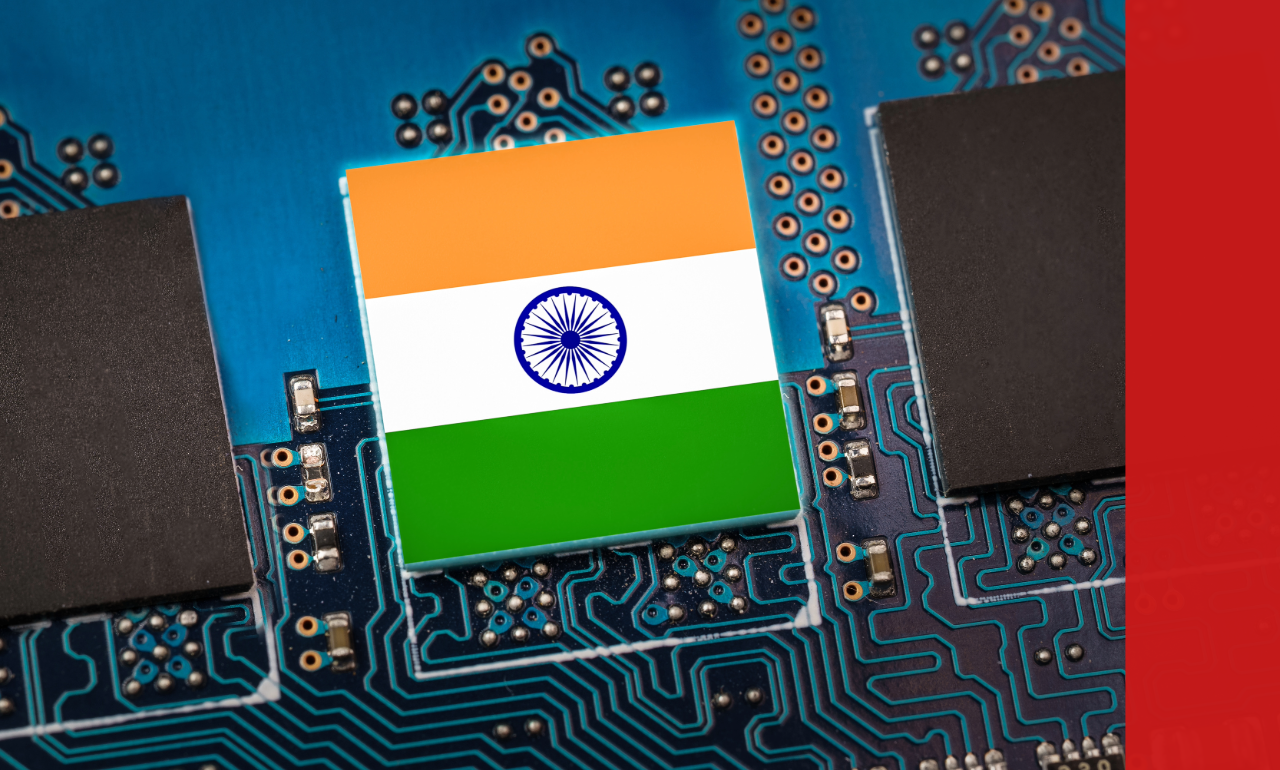
- Intel has signed on as a major customer for Tata Electronics’ upcoming semiconductor fab in Gujarat and OSAT facility in Assam
- The deal is part of Tata’s US$14B semiconductor investment, which includes India’s first full-scale fab in Dholera and a high-volume packaging plant in Jagiroad.
- Intel and Tata are also partnering to scale AI PC platforms for India, which is projected to become a top-five PC market by 2030.
India’s long-stated ambition to become a global semiconductor hub just moved from policy documents to purchase orders.
Tata Electronics has secured Intel as a major customer for its upcoming semiconductor fab in Gujarat and its OSAT facility in Assam pushing India’s chip global legitimacy.
According to Reuters, the partnership sits within Tata’s massive US$14 billion investment India’s first full-scale wafer fab in Dholera, Gujarat, and a large assembly-and-test operation in Jagiroad, Assam. The collaboration is designed not only to manufacture and package chips for the Indian market, but also to support the next wave of AI PCs and broader compute demand, with Intel and Tata projecting that India could become a top-five PC market by 2030.
Dholera and Jagiroad: India’s First End-to-End Chip Manufacturing Chain
The Dholera fab, backed by a technology transfer partnership with Taiwan’s Powerchip Semiconductor Manufacturing Corp (PSMC), will produce 300 mm wafers on 28–110 nm process technologies. These are mature, high-volume nodes widely used in automotive electronics, industrial controls, power management ICs, and communications chips, where reliability and cost are more important than bleeding-edge geometry.
Production timelines vary by source, but most estimates expect early output around 2026–2027, with full commercial ramping toward 2029–2030. This means that within the second half of the decade, India will join the global list of meaningful mature-node suppqliers, a segment in supply chanin that remains chronically tight.
Meanwhile in Assam, the Tata Semiconductor Assembly and Test facility is quickly emerging as India’s packaging powerhouse. With an expected capacity of up to 15 billion chips per year, TSAT will handle everything from traditional wire-bond and flip-chip packaging to more complex system-level modules over time. The operation is also reshaping India’s North-East, with major equipment vendors like Tokyo Electron building local support centers and new engineering talent relocating to the region.
Together, the two sites create India’s first vertically linked manufacturing chain: one producing wafers, the other turning them into finished chips.
Intel’s Role Signals Market Confidence
Intel’s decision to become a major customer gives Tata’s project an early vote of confidence and provides India with its first anchor client in semiconductor manufacturing. Tata has also recruited several senior Intel veterans, including former Intel Foundry Services president Randhir Thakur, strengthening its leadership bench as construction ramps.
The partnership extends beyond manufacturing. Both companies have signed an MoU to collaborate on OSAT services and scale AI PC platforms for the Indian market, aligning with Intel’s global push toward on-device AI compute.
Intel’s involvement also highlights the continued strategic importance of mature-node technologies, which remain essential for automotive, industrial, telecom, and edge-AI systems. By placing part of its supply chain in Dholera and Jagiroad, Intel is signaling confidence that India can provide reliable, cost-competitive capacity in these nodes.


