

.png)
Tesla Recalls Nearly 13,000 US Vehicles Over Battery Pack Component Defect
Published: 10.30.2025
Tesla, Inc. has announced a voluntary recall of 12,963 vehicles in the United States due to a defect in a battery pack contactor that lead to a sudden loss of drive power. The notification was filed with the National Highway Traffic Safety Administration under recall number 25V690.
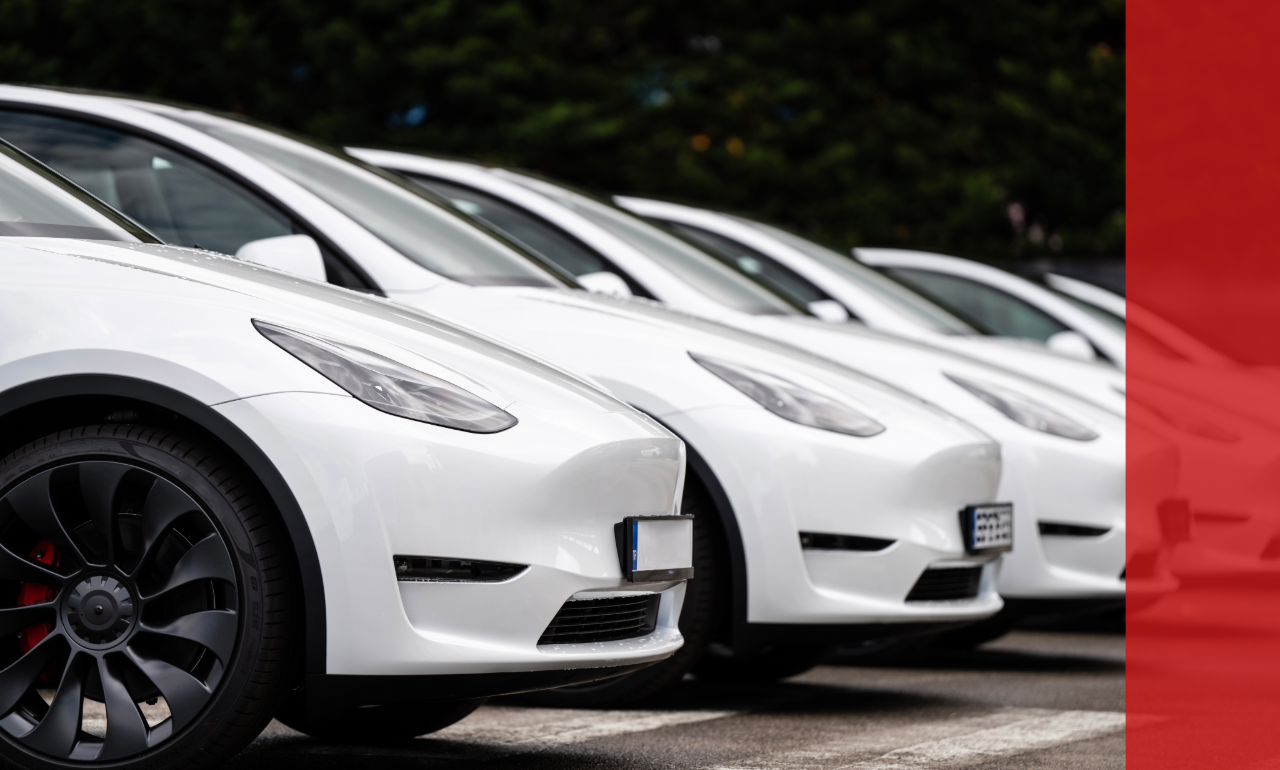
The recall affects 2025 model-year Model 3 sedans (5,038 units) and 2026 model-year Model Y SUVs (7,925 units).
According to Tesla’s support site, the vehicles in question were equipped with a battery-pack contactor manufactured with an Sistemas Mecatrónicos InTiCa S.A.P.I. (“InTiCa”) solenoid. This component may open unexpectedly due to a poor coil-termination connection, which interrupts propulsion.
As of 7 October 2025, Tesla identified 36 warranty claims and 26 field reports associated with this defect. No crashes, injuries or fatalities have been reported in connection with the issue.
From the NHTSA filing: “If the contactor opens when the vehicle is in drive, the driver loses the ability to apply torque to the vehicle using the accelerator pedal, resulting in a loss of propulsion and an elevated risk of a crash.”
Tesla will carry out the remedy free of charge: the affected contactors will be replaced with certified units that do not include the InTiCa solenoid and maintain proper coil-termination connection. Owners will be notified by mail around 9 December 2025 and can schedule a service appointment via the Tesla app.
This recall arrives at a time when Tesla is ramping up production of its EV models and facing growing regulatory and quality-control scrutiny. Industry observers note that component-supply challenges and manufacturing‐volume scaling pose increasingly visible risk-vectors for electric-vehicle makers.
Tesla’s recall stresses the importance of supplier-quality control and end-to-end part-verification, as even relatively small components (such as high-voltage contactors) can carry safety implications when deployed at scale.


