

.png)
U.S. Copper Tariffs Impact Energy & Semiconductor Sectors
Published: 7.15.2025
The U.S. government is planning to impose a 50% tariff on imported copper, effective August 1, 2025, raising material costs for key industries—including energy, infrastructure, and semiconductors.
Copper is a critical raw material used in electrical wiring, power grids, cooling systems, and semiconductor manufacturing. A sudden spike in copper prices could disrupt supply chains, slow down production, and increase capital expenditures (capex) for tech and energy companies.
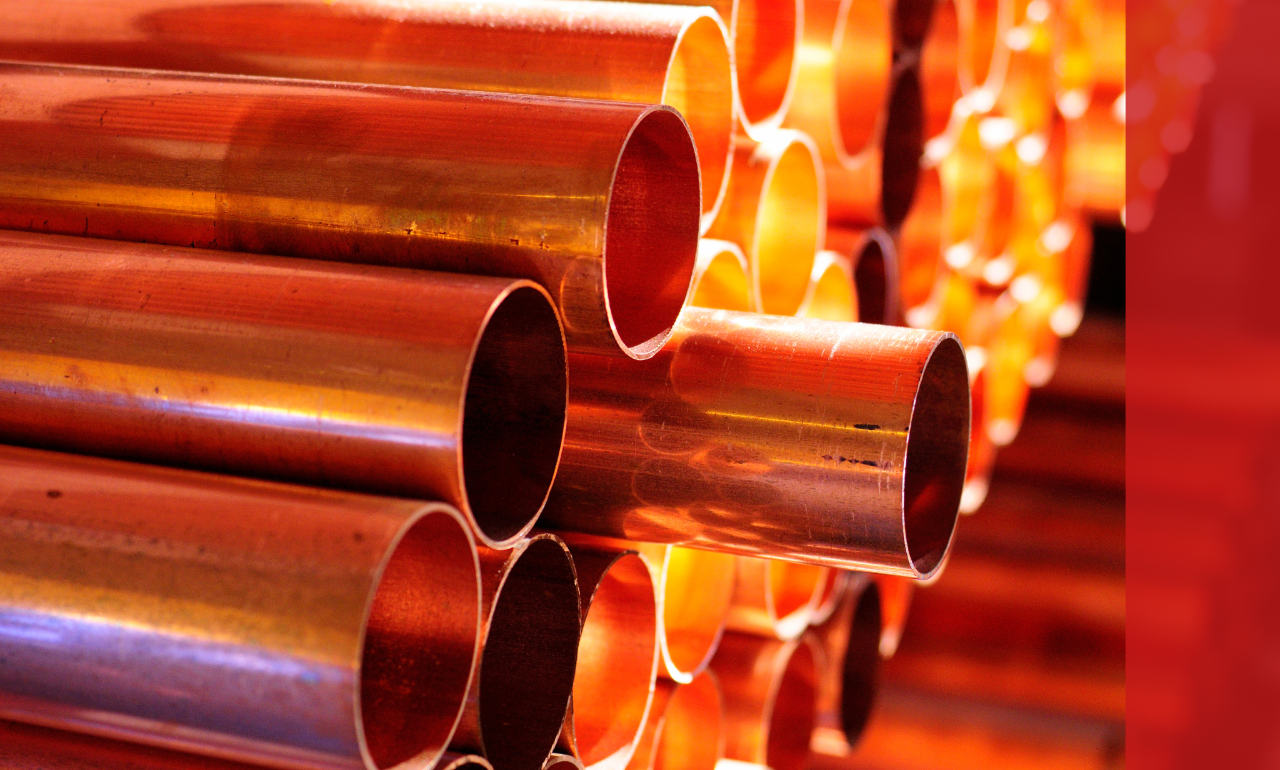
Semiconductor companies rely on copper for chip interconnects, heat sinks, and advanced cooling infrastructure. With prices expected to rise sharply, chipmakers may face higher operating costs and delays in expanding production capacity setting back key industries already dealing with tight supply and rising demand for AI, automotive, and IoT chips.
Power utilities and renewable energy developers will also be affected. Copper is essential for solar farms, wind turbines, EV charging stations, and smart grid systems. Higher costs could slow down green energy projects and raise electricity prices in the long term.
What stakeholders should watch:
Copper futures and mining stocks – especially U.S.-based suppliers
Semiconductor and EV companies announcing changes to procurement or pricing
Recycling technologies and alternative materials as copper substitutes
U.S. policy updates on metals and trade strategy in the coming weeks
The copper tariff may protect domestic suppliers, but it also brings new risks and higher costs for industries that power the digital and green economy. Stakeholders should prepare for supply chain shifts, project delays, and the potential need to rethink sourcing strategies.


