

.png)
U.S. DOE Cancels $13B in Green Energy Fund
Published: 9.30.2025
The U.S. Department of Energy (DOE) has confirmed plans to cancel and return more than $13 billion in clean energy funding, a decision signaling Trump administration’s pivot away from federal support for renewable energy funding, electric vehicles, and battery storage.
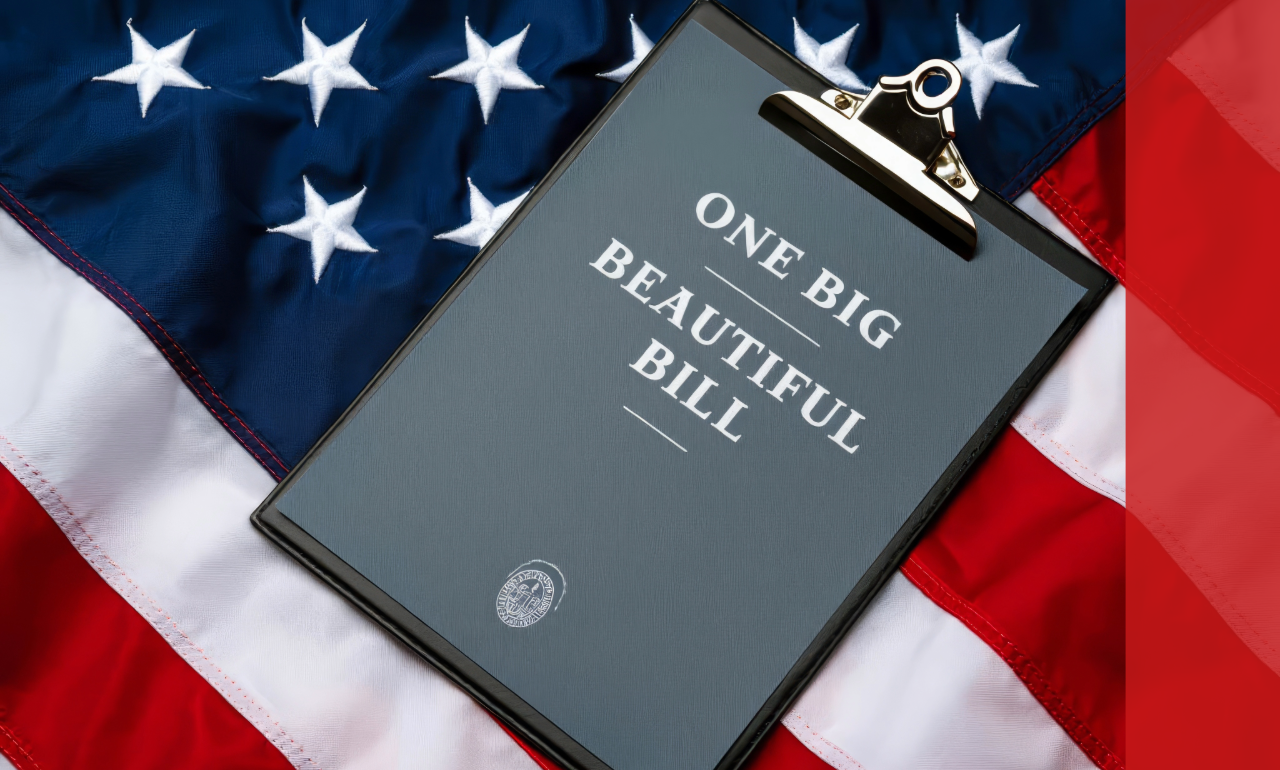
Much of the funding, initially authorized under the Inflation Reduction Act of 2022 and related renewable energy funding programs, was earmarked for wind, solar, grid modernization and industrial decarbonization. DOE said the amounts were largely unobligated, enabling the rescissions under the One Big Beautiful Bill Act.
Administration’s Justification and Market Reaction
Administration’s Justification and Market Reaction
The DOE framed the decision as a step toward fiscal responsibility and strengthening U.S. energy security. In its statement, the agency emphasized that returning the funds reflects the Trump administration’s pledge to deliver more affordable, reliable, and secure American energy while ensuring taxpayer dollars are managed responsibly
Energy Secretary Chris Wright criticized global climate spending in public remarks, asking why greenhouse gas trajectories have not changed after decades of international efforts.
Supporters, including free-market energy groups, applauded the rescission. Larry Behrens of Power the Future said it restores accountability and claimed “over $6 billion in EV charging funding has now been flagged as wasteful,” a claim his group has repeated in recent interviews.
However, industry groups and researchers warned of economic pain: E2’s Clean Jobs America report found clean energy jobs grew more than three times faster than the broader workforce in 2024, adding nearly 100,000 jobs, a growth that advocates say could be at risk. Meanwhile, NREL has cut roughly 114 positions after budget reductions following federal budget cuts and terminated project contracts.
Even as Washington pulls back, states including California, New York, and Massachusetts continue advancing ambitious clean energy targets, creating a patchwork of policies that shape opportunities and risks for investors and developers.
The DOE's reversal shifts a new season of uncertainty for U.S. clean energy industry, with Washington retreating from some federal clean-energy programs, state mandates and private capital may increasingly determine the pace of the U.S. energy transition.


