

.png)
U.S. Rolls Out New Tariffs on Heavy Trucks While Expanding Production Credits
Published: 10.28.2025
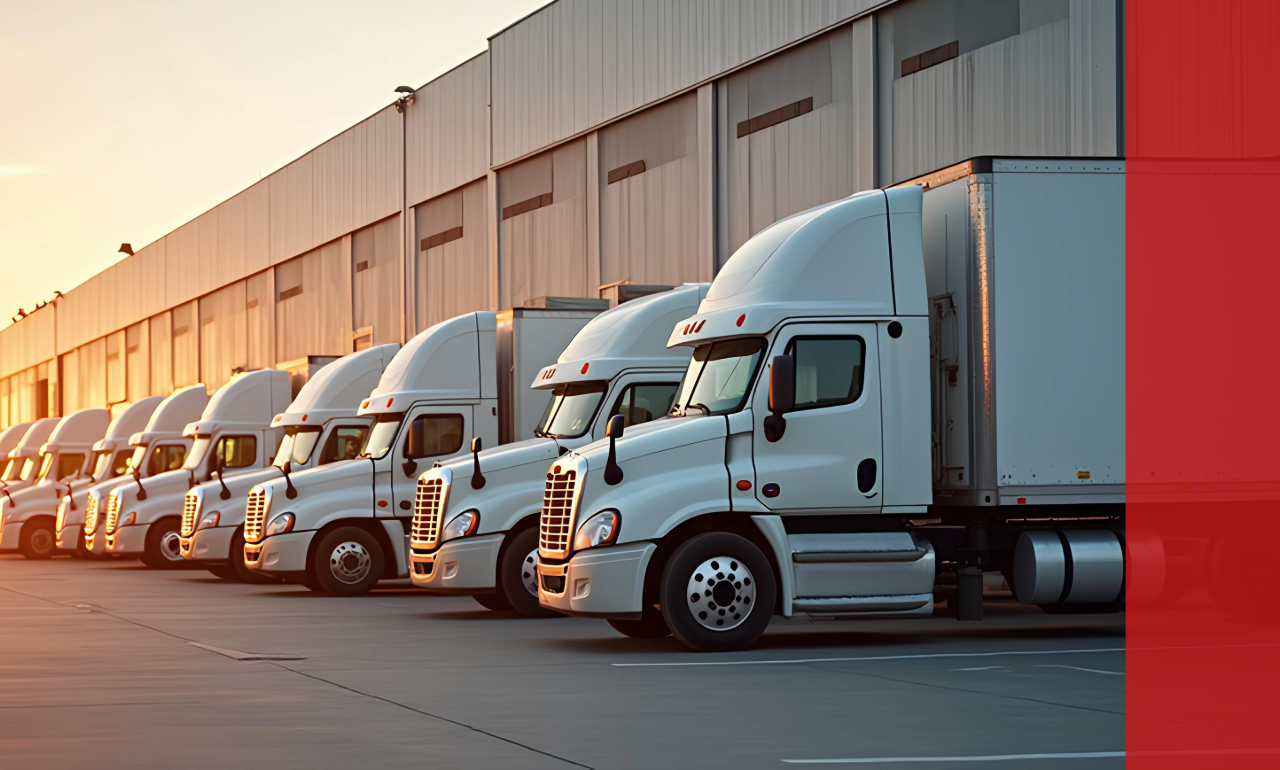
The Trump administration announced a new set of trade measures aimed at reshaping the U.S. heavy-truck and parts supply chain that includes a 25 % tariff on imported medium- and heavy-duty trucks and their major parts, effective on October 31 (i.e., goods entered into the U.S. on or after 12:01 a.m. November 1, 2025).
The tariff covers trucks in Classes 3 through 8: ranging from large pickups and delivery trucks to dump trucks and tractor-trailers, and key truck parts including engines, transmissions, chassis and tires. Buses will face a 10 % tariff.
Why the move?
According to the White House fact sheet, the action invokes Section 232 of the Trade Expansion Act of 1962 on national-security grounds, as the administration considers heavy-truck and parts imports critical to military readiness, emergency response and infrastructure logistics.
In concert with the tariffs, the U.S. is expanding incentives for domestic assembly: vehicle- and engine-manufacturers assembling heavy-duty trucks in the U.S. will become eligible for an offset credit equal to 3.75 % of the Manufacturer’s Suggested Retail Price (MSRP) of eligible vehicles assembled within the United States between November 1, 2025 and October 31, 2030.
Implications for industry and supply chains
The new tariffs and incentives signal a shift in U.S. trade and manufacturing policy for commercial vehicles and parts. For U.S. OEMs with strong domestic production footprints, the offset may offer a competitive boost.
Conversely, importers reliant on trucks built abroad,particularly those using cross-border supply chains through Mexico and Canada, are likely to face higher landed costs, prompting reconsideration of sourcing strategies, pricing models and fleet renewal plans. Analysts note that since many large truck imports originate from Mexico (and heavily use U.S.-sourced components), supply-chain disruption and cost pass-through are likely.
Fleet operators and logistics businesses should prepare for potential price inflation of imported trucks and parts, while also monitoring lead-time risks as supply lines adjust. For parts suppliers and tier-two/tier-three manufacturers, the U.S. market could become more attractive but only if domestic manufacturing or U.S. content thresholds are met.


