

.png)
U.S. Warns Southeast Asian Chipmakers to Relocate or Face 100% Tariffs
Published: 9.25.2025
he United States has escalated its trade pressure on Southeast Asia’s semiconductor sector, with U.S. Trade Representative Jamieson Greer warning regional manufacturers that they must relocate production to the U.S. or face new punitive tariffs.
The move follows President Donald Trump’s earlier suggestion of imposing a 100% tariff on imported semiconductors, doubling costs for U.S. buyers of chips made outside American soil.
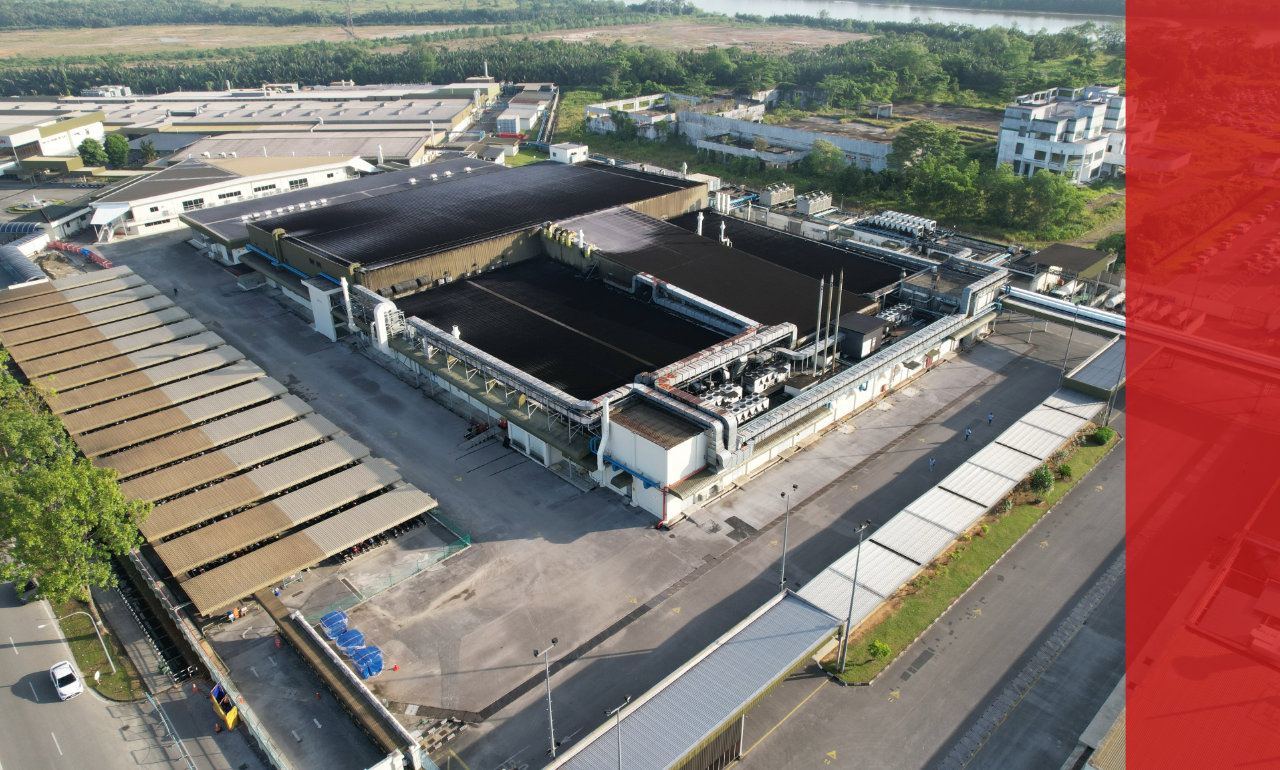
Malaysia, ASEAN nations seek concessions
Malaysia and other Southeast Asian economies have begun offering large concessions to avoid penalties, including pledges to increase purchases of U.S. goods and negotiate favorable terms for American exporters.
Kuala Lumpur has formally requested zero tariffs on certain exports, such as furniture, automotive, and aerospace parts, in a bid to reach a deal ahead of Trump’s planned visit to Malaysia in October.
Regional leaders fear the proposed tariff hike could undermine their semiconductor industries, which play a vital role in the global supply chain through assembly, packaging, and testing operations. Malaysia alone accounts for an estimated 13% of global chip testing and packaging capacity.
Greer justified the U.S. stance by emphasizing the national security risks of foreign semiconductor dependence. “Chips are the backbone of defense and advanced technology,” he said in private meetings, according to reports.
The warning aligns with the Trump administration’s broader reshoring agenda, which has already introduced tariffs of 10% to 40% on a wide range of Southeast Asian exports.
All eyes turn to President Trump’s visit to Kuala Lumpur in October, where further discussions are expected to shape the direction of U.S.–ASEAN semiconductor trade. The outcome of those talks could determine whether tariffs are imposed, exemptions are granted, or a broader deal is struck.


