

.png)
US–China Trade Truce Eases Pressure to Semiconductor Supply Chains
Published: 11.4.2025
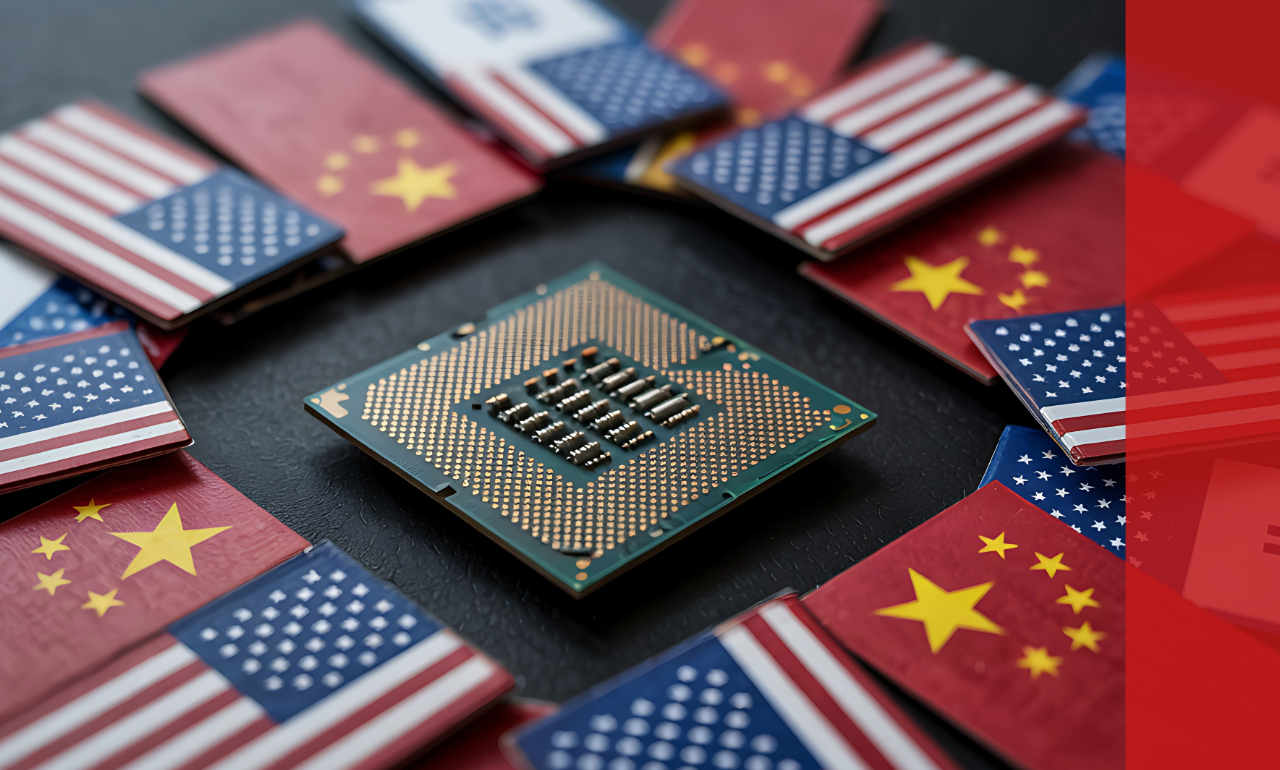
After months of tension and retaliatory measures, Washington and Beijing appear to have reached a temporary truce in their long-running trade standoff that could bring long-awaited relief to the global semiconductor industry.
Both sides announced coordinated actions on November 1 at easing the strain on critical materials and semiconductor supply chains, easing hardened trade posture that had dominated the past two years and signal a cautious reopening of dialogue between the world’s two largest economies.
China Rolls Back Export Controls
Beijing announced it will suspend the global rollout of its October 9 export controls on rare earths and related materials that had threatened to tighten the flow of critical chipmaking inputs. Under the new policy, China will issue general licenses allowing exports of rare earths, gallium, germanium, antimony, and graphite to U.S. end users and their suppliers.
The decision effectively reverses the restrictions imposed in 2022 and 2025 and restores trade access to materials essential for semiconductors, power electronics, and defense applications.
China also said it will facilitate the resumption of trade from Nexperia’s China-based facilities, ensuring the continued global flow of legacy semiconductors used across automotive and industrial markets. In a broader gesture, it will withdraw retaliatory sanctions linked to the U.S. Section 301 investigation and terminate ongoing antitrust and anti-dumping probes against U.S. chip companies.
U.S. Lowers Tariffs and Pauses New Restrictions
Washington responded by lowering tariffs on certain Chinese imports by 10 percentage points, effective November 10, 2025. The U.S. also extended key Section 301 tariff exclusions until November 2026 and suspended for one year the implementation of new end-user control rules that would have tightened export restrictions on Chinese affiliates.
The one-year pause provides space for renewed negotiations while maintaining the current 10% reciprocal tariff rate. U.S. officials framed the move as a “measured de-escalation” designed to stabilize trade without abandoning broader supply chain security goals.
A Breather for Global Chipmakers
The mutual easing marks a fragile but meaningful truce for semiconductor stakeholders. China’s lifting of raw material controls and the U.S. tariff adjustments may restore smoother flows for critical inputs like gallium and germanium, which are essential for high-performance and power devices.
Industry analysts caution, however, that the latest measures represent a “pause” rather than a full reconciliation. While the U.S. and China appear eager to stabilize their economic relationship ahead of 2026, underlying structural tensions remain unresolved.
For distributors and manufacturers alike, the latest developments signal an opportunity to rebalance global sourcing. At IBS Electronics, we view this moment as a chance to strengthen supply chain agility, ensuring that our customers continue to access trusted semiconductor and component sources despite shifting trade landscapes.
As policies evolve, IBS remains committed to bridging regional supply gaps, supporting responsible sourcing, and helping partners stay resilient in an industry where stability is always strategic.


