

.png)
Kioxia and Google Turn to Hydropower to Clean Up the Semiconductor Supply Chain
Published: 12.9.2025
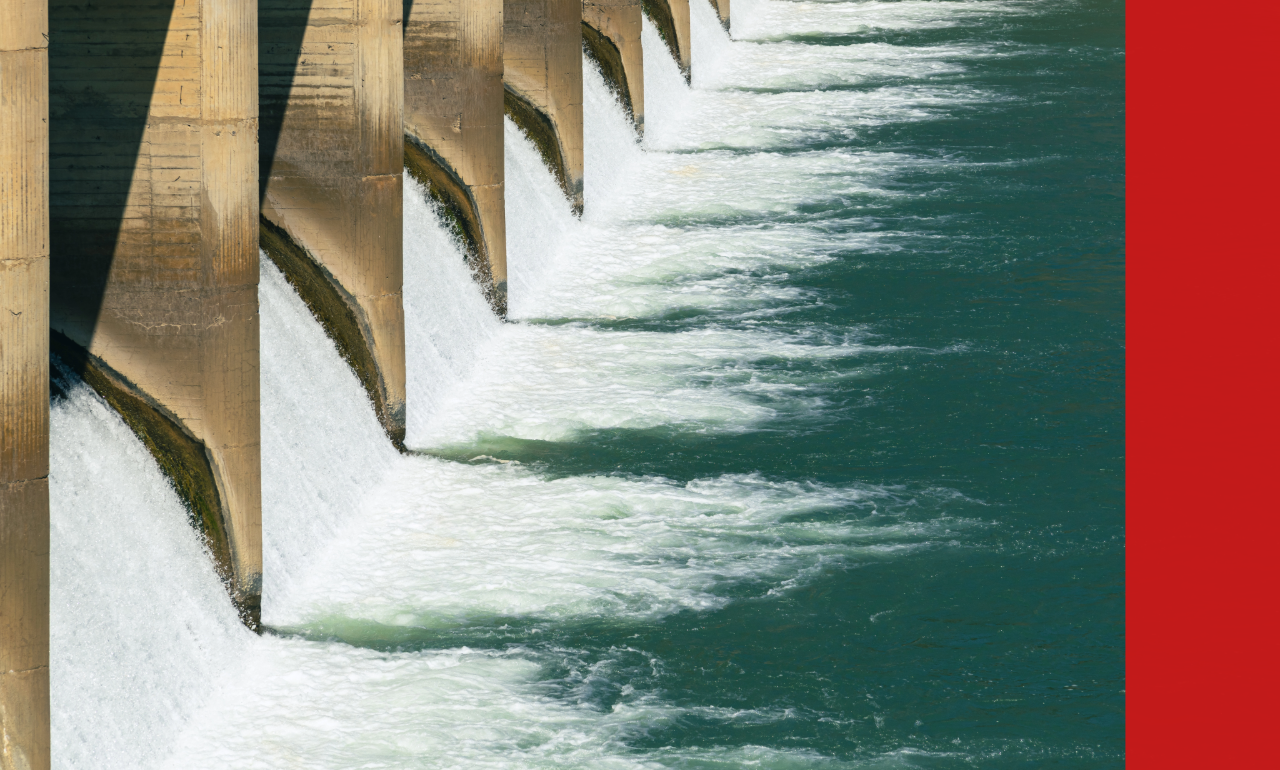
Kioxia has announced a collaboration with Google to boost its use of clean electricity from a hydropower retrofit project owned by the Chubu Electric Power group to increase annual clean-energy generation, supports Japan’s grid decarbonization, and pushes both companies closer to their long-term climate goals.
A Hydropower Retrofit with Real Scale
Rather than building a new dam, this initiative upgrades an existing hydropower plant to generate more electricity from the same river boosting output with minimal new environmental impact.
Kioxia has already begun drawing its share of the clean power. The company expects offtake to reach about 160 GWh per year, roughly the annual electricity consumption of 40,000 Japanese households.
Industry reporting suggests the deal is tied to upgrades at the Oigawa Hydropower Plant in Shizuoka Prefecture, a long-running Chubu Electric asset. While Kioxia’s release doesn’t name the exact facility, the pattern is consistent with Chubu’s strategy: modernize older hydropower plants and secure long-term industrial offtakers to finance the improvements.
Round-the-Clock Clean Power for a High-Load Manufacturer
For a high-power user like Kioxia, a memory fabrication, the type of renewable energy matters. Solar and wind often fluctuates while Hydropower can deliver more predictable “baseload” output.
Kioxia highlights that this arrangement provides “round-the-clock” clean electricity, making it easier to run energy-hungry memory fabs on low-carbon power. That is critical for plants in regions that face decarbonization challenges, where the grid still relies heavily on fossil fuels.
At the same time, the project directly supports Kioxia’s long-term climate roadmap. The company has committed to:
- Sourcing 100% renewable electricity for its own business activities by FY2040
- Achieving net-zero greenhouse gas emissions by FY2050
By locking in a large slice of hydropower for years to come, Kioxia is taking a practical step toward these targets instead of relying only on short-term certificates or offsets.
Why Google Is Involved: Cutting Scope 3 Emissions
On the surface, this might look like a typical industrial power deal. But Google is a key part of the story.
By sourcing cleaner electricity for memory production, Kioxia reduces the carbon footprint of the chips and SSDs it supplies to Google. That lowers Google’s Scope 3 emissions, one of the most challenging category to decarbonize because they come from suppliers and manufacturing partners.
This move fits Google’s broader strategy to pair renewable energy for its own data centers with power deals that also decarbonize the hardware it relies on. DCD reporting notes that this hydropower project is part of Chubu Electric’s broader portfolio of 5,477 MW of hydropower capacity across more than 200 sites, many of which are undergoing similar retrofits.
A New Model for Cloud & Chipmakers
The project was enabled by a Google-led effort to bring additional, cost-efficient clean electricity to manufacturers in Japan.
Instead of each company negotiating separate, small-scale deals, Google is effectively helping aggregate demand and structure a larger project that benefits multiple industrial offtakers. Earlier Chubu Electric disclosures about the same hydropower upgrade model mention other semiconductor-related participants, including Applied Materials, Micron Technology, and Skyworks Solutions.
That points to a bigger trend:
- Utilities are looking for ways to extend the life and output of aging hydropower plants.
- Chipmakers and equipment vendors need stable, low-carbon baseload power to keep fabs running and meet customer climate expectations.
- Cloud and hyperscale companies want to decarbonize both their own data centers and their hardware supply chains.
Energy strategy is no longer separate from manufacturing strategy. As utilities retrofit old assets and cloud leaders push for cleaner supply chains, chipmakers are locking in long-term access to predictable, low-carbon power. Hydropower may be one of the oldest forms of electricity generation but partnerships like Kioxia and Google’s show how it will shape the next era of semiconductor production.


