

.png)
Waymo to Launch Driverless Ride-Hailing Service in London in 2026
Published: 10.20.2025
Waymo, Alphabet Inc.’s autonomous vehicle division, has announced plans to roll out a fully driverless ride-hailing service in London by 2026.
In the coming weeks, Waymo will begin supervised testing on London streets using its fleet of Jaguar I-PACE electric SUVs, each fitted with the company’s advanced Waymo Driver system with safety drivers as the company gathers data on the city’s complex traffic conditions.
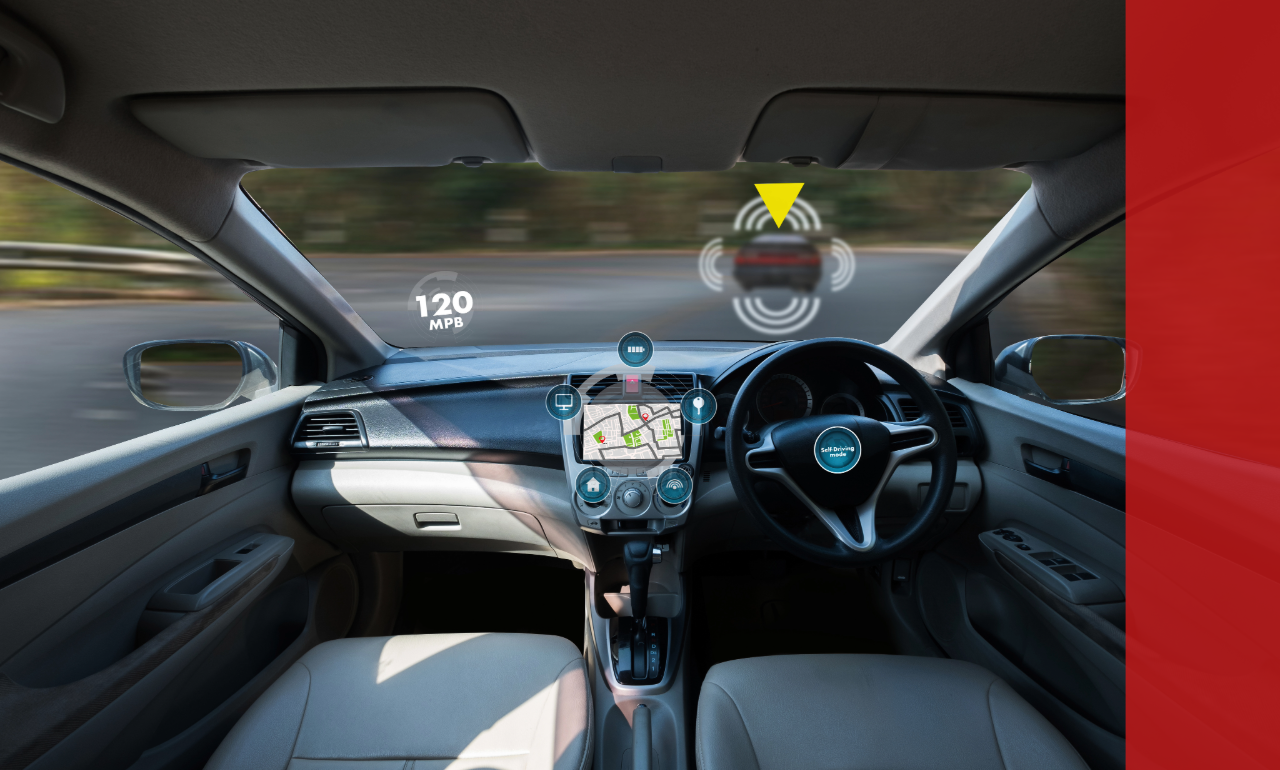
The UK has become an attractive testing ground for self-driving technology following the passage of the Automated Vehicles Act 2024, which sets safety standards requiring autonomous vehicles to perform at least as well as a “careful and competent human driver.” Under the Act, commercial pilots of self-driving cars are expected to begin as early as spring 2026.
To support its London operations, Waymo will partner with Moove, to handle charging infrastructure, maintenance, and support services.
However, challenges remain as London’s streets present one of the most demanding environments for any self-driving system, with narrow lanes, dense traffic, and unpredictable pedestrian and cyclist behavior. The city’s iconic black cab community has already voiced skepticism about the practicality and safety of driverless taxis, raising questions about how the new service will coexist with traditional operators.
Beyond technical hurdles, Waymo and regulators will also face public concerns around data privacy and cybersecurity. Autonomous vehicles collect large amounts of sensor data for navigation and mapping, prompting scrutiny over how that information will be stored and used.
The UK government estimates that the self-driving vehicle sector could create up to 38,000 new jobs and add billions of pounds to the national economy in the coming years.
Still, the rollout will be gradual with initial operations expecting to cover a limited zone before expanding citywide. The success of the project will depend not just on technology, but on public trust, safety performance, and the ability of regulators to balance innovation with accountability.


